
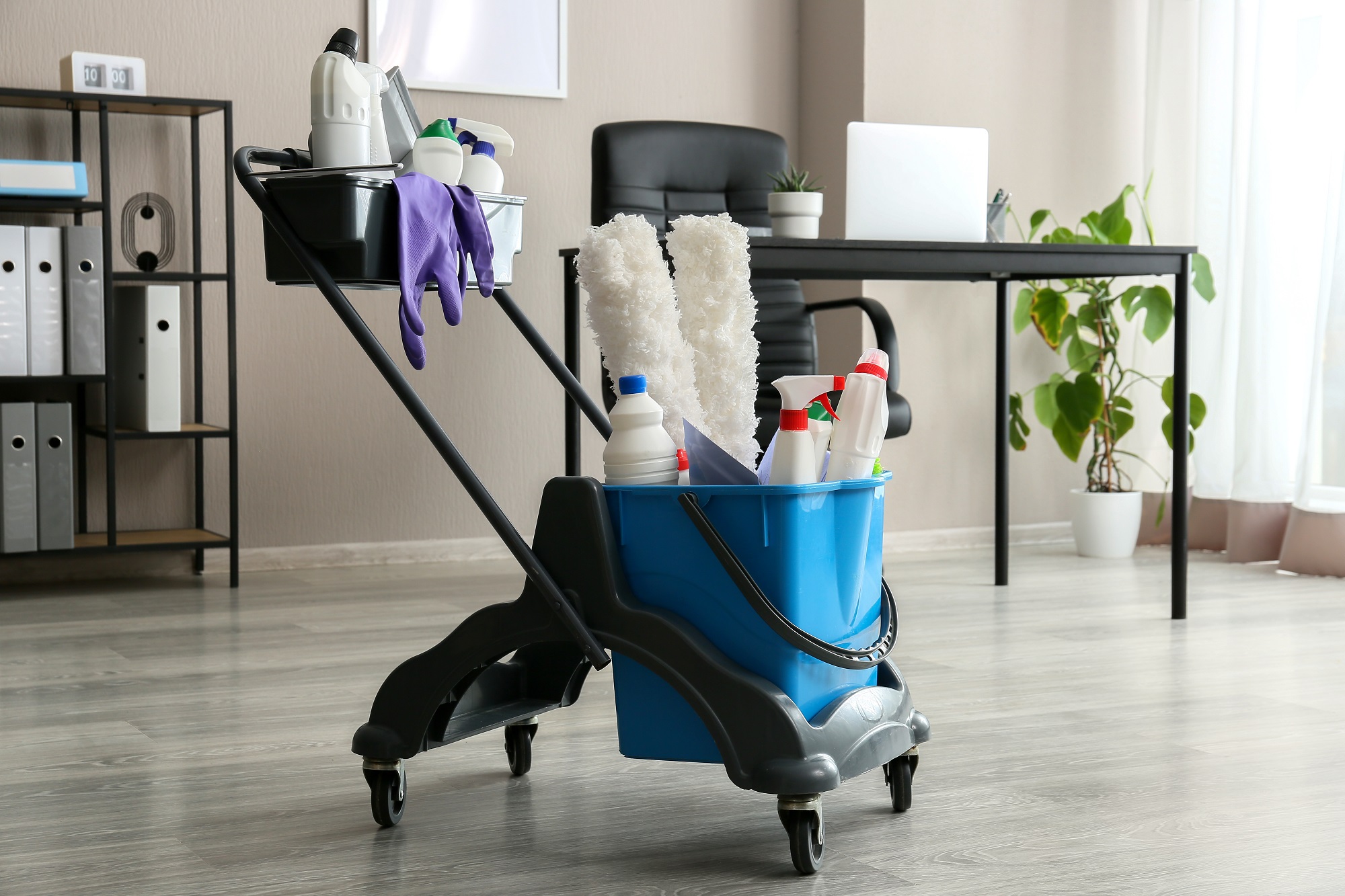
Cleaning Protocols Should Reflect the Facility’s Risks, Traffic Patterns, and Equipment
A facility with sensitive equipment cannot always be cleaned the same way as a conventional office. High foot traffic increases dirt and contact with shared surfaces, while electronics, specialized equipment, and strict hygiene expectations can limit which products and techniques are appropriate. For organizations evaluating janitorial services in Scottsdale AZ, the most effective approach is a cleaning program built around the facility type, surface materials, equipment requirements, occupancy patterns, and hygiene priorities. Health Point Cleaning Solutions provides janitorial services designed for commercial environments where cleaning needs can vary significantly from one area to another.
A practical cleaning plan also needs to distinguish between routine cleaning, targeted disinfection, and deeper cleaning. A reception area may require frequent attention to door handles and counters. In contrast, an equipment room may require careful dust removal without exposing sensitive components to excess moisture or unsuitable chemicals. The objective is not simply to clean more often. It is to clean the right surfaces using appropriate methods at intervals that match actual use and risk.
Sensitive Equipment Requires Surface-Specific Cleaning Decisions
Sensitive equipment creates a different challenge because cleanliness cannot come at the expense of equipment protection. Electronics, touchscreens, control panels, keyboards, monitors, and other devices may have manufacturer-specific cleaning instructions. Excess moisture, abrasive products, incompatible chemicals, or improper application can damage surfaces or interfere with equipment operation.
Cleaning staff should therefore know which areas can be wet-cleaned, which require carefully controlled application, and which should only be handled in accordance with manufacturer guidance.
This distinction also affects dust control. In an equipment-sensitive environment, a cleaning team may need to use appropriate dusting methods and avoid simply moving dust from one surface to another. A dust mop, microfiber material, or vacuuming method may be suitable in one area but inappropriate around exposed equipment if it causes excessive particle movement. The surface should determine the exact method, equipment instructions, and facility requirements rather than by a universal cleaning checklist.
Why One Cleaning Schedule Rarely Works for Every Area
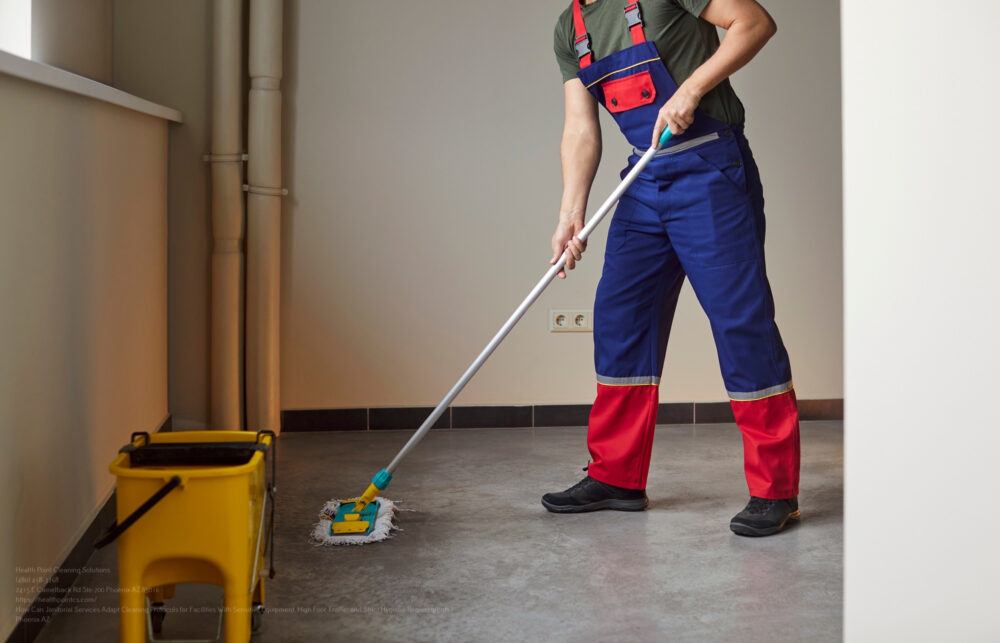
A facility’s cleaning needs can change substantially from room to room. An office space with carpeted work areas, conference rooms, restrooms, and a busy reception desk has different priorities from a technical workspace containing electronics or specialized equipment. Treating every area identically can result in wasted effort in low-use spaces while high-contact areas receive too little attention.
Traffic is one of the most useful factors for determining cleaning frequency. Entrances, elevators, stair rails, shared workstations, restroom fixtures, break areas, and other frequently touched surfaces generally deserve more regular attention than surfaces that receive little contact. The Centers for Disease Control and Prevention recommends regularly cleaning high-touch surfaces and notes that high-traffic areas may require more frequent cleaning or additional disinfection. It also recommends cleaning surfaces before disinfecting them because dirt and other impurities can interfere with disinfectants.
For facilities around Scottsdale, including busy commercial environments in and around Scottsdale Airpark, occupancy can fluctuate throughout the day. A fixed schedule that ignores these patterns may leave heavily used areas waiting too long between cleaning cycles. A better plan adjusts staffing, frequency, and task priorities according to how the building actually operates.
Looking for Professional Janitorial Services?
Contact the team to discuss cleaning priorities and develop a practical service plan for the facility.
High Foot Traffic Calls for Priority-Based Cleaning
High traffic does not mean every surface needs to be disinfected constantly. It means the facility should identify where repeated contact and occupancy create the greatest cleaning demand. Door handles, elevator buttons, shared desks, counters, restroom fixtures, touchpads, and other frequently handled surfaces can require more attention than decorative or low-contact areas.
A useful cleaning program separates routine tasks from priority tasks. Routine work may include vacuuming carpeting, dusting, floor care, emptying trash receptacles, and maintaining restrooms. Priority work can focus on surfaces that experience heavy contact during the day. This approach gives cleaning staff a clearer work sequence and makes it easier to adjust the schedule as occupancy increases.
Restrooms deserve particular attention because they combine frequent use with multiple high-touch surfaces. Toilets and urinals, faucets, handles, counters, dispensers, and surrounding floor areas should be addressed in accordance with the facility’s use and hygiene requirements. In a busy commercial building, a day porter can also help maintain high-use areas during operating hours, so that visible issues do not have to wait until the evening cleaning cycle.
Strict Hygiene Requirements Need More Than Routine Appearance Cleaning
A clean-looking facility is not necessarily one that has been cleaned in accordance with its hygiene priorities. Dust, soil, residue, and visible debris are only part of the picture. A facility may need targeted cleaning and disinfecting services when specific circumstances increase the need for microbial control, such as illness-related contamination or environments with unusually high contact.
Cleaning and disinfection should also be treated as separate processes. Cleaning physically removes dirt and many germs from surfaces, while disinfection uses products intended to kill remaining harmful microorganisms. The CDC recommends cleaning first and disinfecting when conditions warrant it, rather than assuming that disinfectant alone is a substitute for proper cleaning.
For facilities with strict hygiene requirements, protocols should also define which products are approved for particular surfaces, how they should be applied, and what contact time is required by the product label. An aggressive approach is not automatically a better approach. In some environments, excessive chemical use can create surface damage, unpleasant odors, residue, or unnecessary exposure concerns. Product selection should balance hygiene needs, surface compatibility, equipment protection, and applicable facility requirements.
Deep Cleaning Should Be Scheduled Around Actual Facility Conditions
Routine cleaning keeps everyday conditions under control, but some areas periodically need more detailed attention. Deep cleaning may address accumulated soil in flooring, corners, difficult-to-reach surfaces, upholstery, grout lines, and other areas that routine tasks do not fully address. The timing should depend on the facility’s condition, traffic, materials, and operational demands rather than an arbitrary calendar alone.
Tile & grout areas, for example, can accumulate residue that is not obvious during a quick visual inspection. Carpeted areas may also hold dust and debris despite regular vacuuming. A facility with heavy daily occupancy may require more frequent restorative or deep-cleaning work than a lightly used office.
Post-construction conditions create another distinct requirement, as fine dust and construction debris can spread throughout a property and settle on surfaces and equipment. In such cases, cleaning priorities should be established before normal occupancy resumes. The goal is to remove construction-related debris without exposing sensitive equipment or finished surfaces to inappropriate cleaning methods.
Green Cleaning Can Be Adapted Without Ignoring Performance
Eco-friendly products and green cleaning practices can be useful components of a commercial cleaning program, but product selection should still be based on the surfaces and tasks involved. A product being marketed as environmentally preferable does not automatically make it appropriate for every piece of equipment or every hygiene situation.
Facilities interested in non-toxic or locally made natural products should evaluate product labels, intended uses, surface compatibility, and the required cleaning results. In sensitive environments, the strongest priority may be finding a product that provides the necessary cleaning performance without damaging equipment or finishes.
The same principle applies to cleaning programs that emphasize sustainability. A well-designed program can reduce unnecessary product use by assigning the right method to the right task, rather than relying on excessive chemical application. This creates a more controlled process while keeping environmental considerations part of the overall plan.
What an Adapted Janitorial Program Should Document
A customized program becomes much easier to manage when expectations are documented rather than left to individual interpretation. The facility manager and cleaning provider can establish a task schedule based on room type, surface type, traffic level, equipment sensitivity, hygiene requirements, and operating hours. This provides a consistent reference for routine work while allowing adjustments when building conditions change.
A practical plan may identify:
- Which areas require daily, periodic, or event-based cleaning.
- Which high-touch surfaces receive priority during operating hours.
- Which equipment and surfaces have manufacturer-specific cleaning requirements.
- Which products are approved or restricted for sensitive areas.
- When deep cleaning or targeted disinfection should occur.
- Which tasks a day porter handles during occupied hours and which are reserved for scheduled cleaning.
- How changes in occupancy, illness events, construction, or facility use affect cleaning priorities.
Documentation is particularly useful when several people are responsible for maintaining the building. It reduces ambiguity and gives facility managers a way to review whether the current schedule still matches actual conditions.
A Flexible Plan Protects Both Hygiene Standards and Equipment
The strongest janitorial approach is not necessarily the one with the longest checklist or the highest cleaning frequency. It is the one that recognizes that different spaces create different demands. High-traffic areas need attention based on contact and occupancy, sensitive equipment requires compatible methods, and strict hygiene requirements call for clearly defined cleaning and disinfection procedures.
Health Point Cleaning Solutions can support organizations seeking janitorial services in Scottsdale AZ, with offerings structured around commercial facility needs rather than a one-size-fits-all routine. For a Scottsdale facility, the next step is to identify the building’s facility type, busiest areas, sensitive equipment, operating schedule, and cleaning priorities. Hence, the service plan reflects how the property is actually used.
Looking for Professional Janitorial Services?
Contact the team to discuss cleaning priorities and develop a practical service plan for the facility.