
The Cleaning Practices that Help Stop Germs from Moving Between Shared Spaces
Cross-contamination can occur when germs move from one surface, person, or area to another through hands, cleaning equipment, or frequently handled objects. In busy workplaces, a cleaning cloth used on a restroom fixture can transfer contamination elsewhere if it is not changed or handled correctly.
Effective janitorial services in Phoenix AZ businesses rely on consistent cleaning procedures, appropriate disinfectants, and well-trained staff to reduce these risks. Health Point Cleaning Solutions provides commercial janitorial services for businesses throughout Arizona, helping facilities maintain cleaner shared environments through scheduled cleaning and customized service plans.
How Does Cross-Contamination Happen in a Busy Commercial Building?
Cross-contamination occurs when microorganisms or other contaminants transfer from one surface or area to another. In a commercial facility, this movement can happen through frequently touched objects such as door handles, elevator buttons, shared keyboards, water cooler controls, countertops, and restroom fixtures. Employees, visitors, customers, and cleaning personnel may all contribute to the movement of contaminants as they use shared spaces throughout the day.
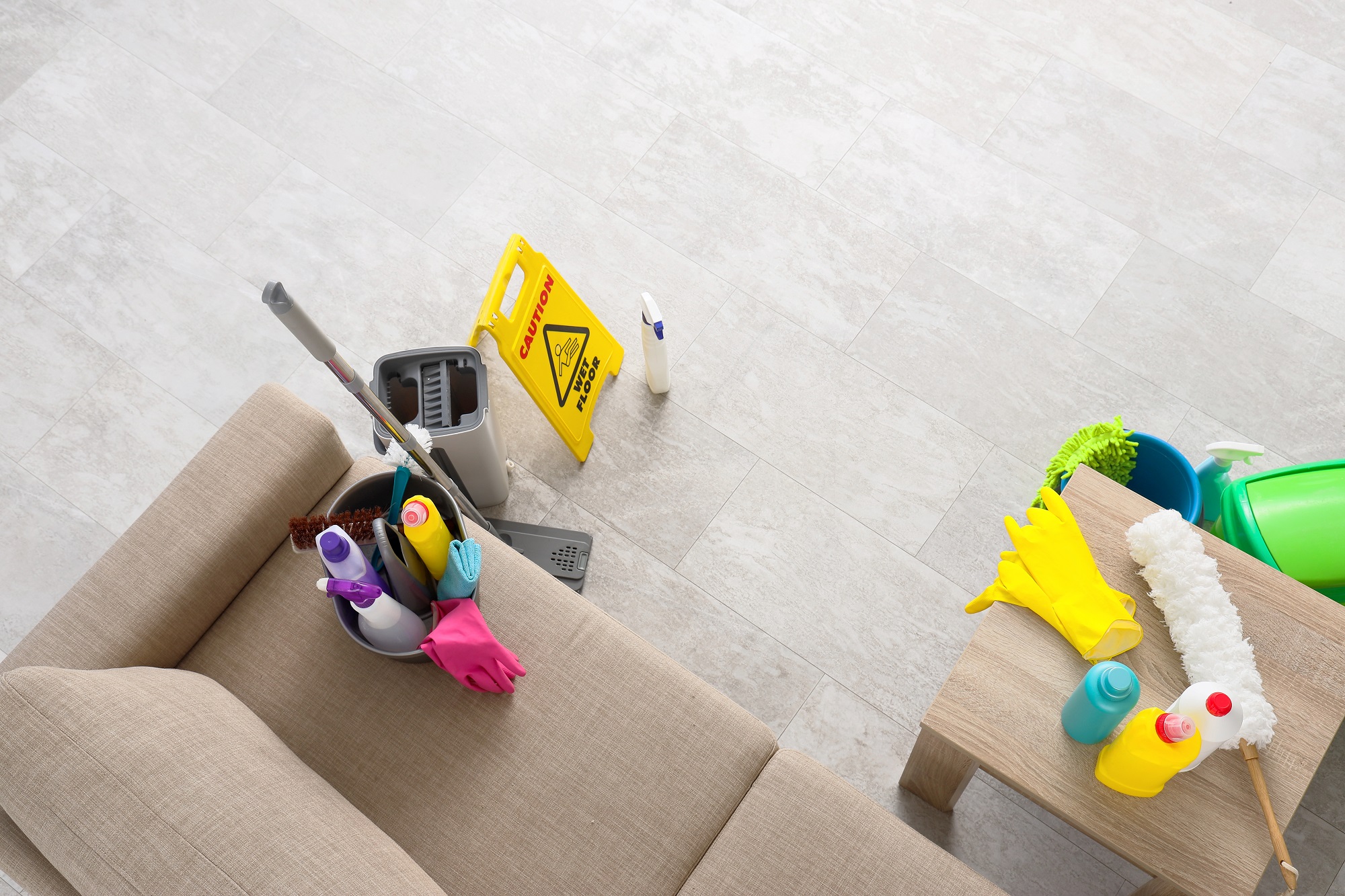
Cleaning equipment can also become a source of transfer. For example, a mop head used in multiple areas without proper rinsing or replacement may spread dirt and microorganisms rather than remove them. The same concern applies to reusable cloths, buckets, gloves, and other supplies that come into contact with multiple surfaces. Even a visibly clean surface can be recontaminated if the cleaning process introduces contaminants from another area.
High foot traffic increases the number of interactions with shared surfaces, but traffic alone does not determine the level of risk. The type of activity, the frequency of contact, the presence of visible soil, and the vulnerability of building occupants also matter. A reception counter in a busy office, for instance, may need more frequent attention than a storage-room shelf that few people touch.
Why Cleaning Order and Equipment Separation Matter
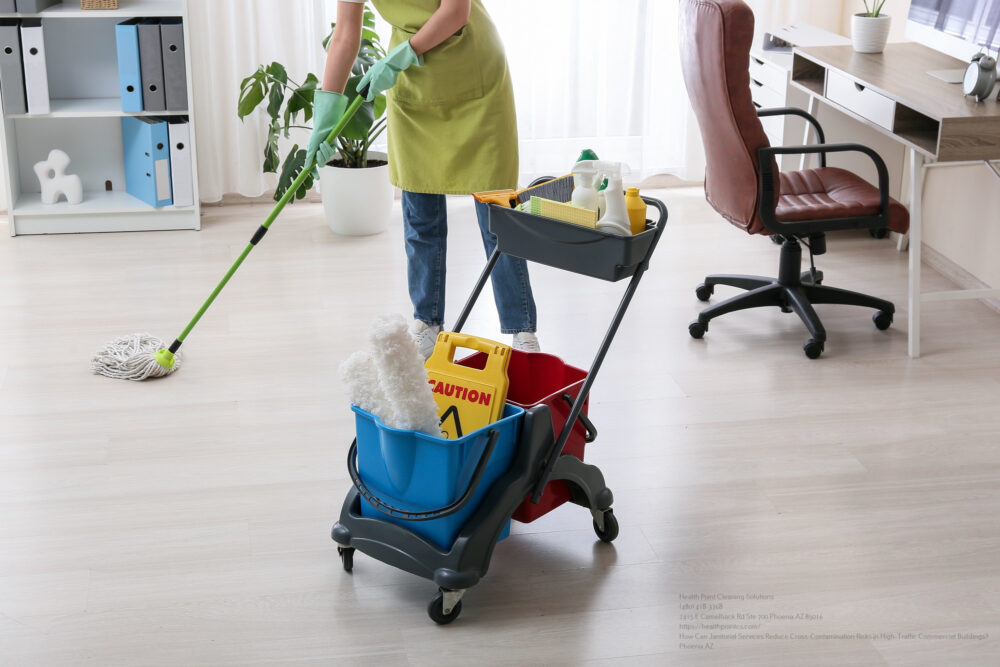
A consistent cleaning sequence helps prevent contaminants from being carried into areas that have already been cleaned. In general, janitorial staff should work from cleaner areas toward dirtier areas and avoid moving directly from restrooms or other heavily soiled spaces into breakrooms, offices, or reception areas with the same supplies. This approach creates a clearer boundary between cleaning zones and reduces unnecessary movement of contaminants.
Color-coded cloths, mop heads, buckets, and other supplies can make these boundaries easier to maintain. A facility might assign separate cloths to restrooms, kitchens, and general office surfaces, with clear instructions for changing or laundering them. The exact color system is less important than consistent use and staff understanding. Cleaning tools should also be stored to keep clean supplies separate from used equipment.
The janitorial team should never assume that rinsing a cloth makes it suitable for every surface. Soiled cloths and mop heads should be replaced or properly laundered according to the facility’s cleaning procedures. The CDC’s environmental cleaning guidance also stresses the importance of properly handling and changing cleaning materials to prevent cross-contamination and the spread of microorganisms.
Need Reliable Janitorial Services?
Contact Health Point Cleaning Solutions today for a expert cleaning plan for busy commercial buildings.
Which High-Touch Surfaces Need More Frequent Attention?
High-touch surfaces deserve particular attention because many people handle them throughout the day. These include entrance handles, push plates, elevator controls, stair railings, shared desks, light switches, reception counters, and restroom door handles. In breakrooms, refrigerator handles, microwave controls, cabinet pulls, and water cooler buttons can also become frequent contact points.
Restrooms require a deliberate approach because several surfaces are used in close succession. Toilet seats, flush handles, faucet controls, sink edges, dispensers, and restroom floors should be addressed according to the facility’s cleaning schedule and the level of use. Cleaning staff should also check walls around basins, countertops, towel cabinet covers, and the exteriors of appliances for splash marks, fingerprints, and residue that can accumulate. Stocking towels and supplies supports restroom usability, but replenishment should not replace proper surface cleaning.
Entrance glass, partition glass, and shared counters may not present the same contact risks as restroom fixtures, but they still need routine attention. Cleaning fingerprints from the entrance glass, dusting partitions, wiping countertops, and removing coffee rings help maintain a neat appearance and support an organized cleaning routine. The CDC recommends regular cleaning of frequently touched surfaces, with more frequent attention when traffic levels or circumstances call for it.
How Should Cleaning Products Be Used to Reduce Germ Transfer?
Cleaning and disinfecting are related but different activities. Cleaning removes dirt and many germs from surfaces, while disinfecting uses an appropriate product to kill specified microorganisms that remain. Applying disinfectant to a visibly dirty surface without cleaning it first may reduce its effectiveness because soil and other material can interfere with the product’s action.
Product selection should reflect the surface, the type of contamination being addressed, and the manufacturer’s directions. Staff should check whether a product is suitable for the material being treated and follow its stated dilution, application, and contact-time instructions. Contact time refers to how long a surface must remain visibly wet for the disinfectant to work as directed. Wiping it dry too soon may prevent the product from achieving the intended result.
More chemical use does not automatically mean better cleaning. Using an unsuitable product can damage finishes, leave residue, or create avoidable exposure concerns. Cleaning staff should follow label directions, use appropriate protective equipment, and ensure adequate ventilation where required.
What Role Can a Day Porter Play Between Scheduled Cleaning Visits?
A regular janitorial schedule may not cover every issue that develops during a busy business day. A day porter can provide additional attention to shared spaces while employees, customers, and visitors continue using the building. Depending on the facility’s needs and assigned responsibilities, this role may include checking restrooms, responding to spills, emptying overflowing trash receptacles, wiping frequently used counters, and replenishing supplies.
This support is particularly useful in buildings where activity changes throughout the day. A reception area may remain tidy during the morning but accumulate fingerprints, dust, and discarded items by lunchtime. A breakroom may need attention after several groups have used the appliances and countertops. Addressing these conditions as they arise can prevent visible mess from building up until the next scheduled cleaning visit.
The day porter should work within the same cleaning procedures as the wider janitorial team. That includes using designated supplies for different areas, following product instructions, and reporting conditions that require additional attention. Clear communication also helps clarify which tasks belong to the porter, which fall under routine janitorial work, and which are the client’s responsibility.
How Can Cleaning Schedules Reflect Different Areas of the Same Building?
A single cleaning frequency rarely suits every space in a large commercial property. A reception area, restroom, conference room, breakroom, and rarely used storage space have different patterns of use. Facility managers and cleaning providers should consider how often each area is occupied, which surfaces receive repeated contact, and whether particular activities create additional cleaning needs.
For example, a shared conference room may need attention after meetings because multiple people have used the table, chairs, controls, and presentation equipment. Restrooms and breakrooms may require checks at several points during operating hours, while low-contact surfaces can follow a less frequent routine unless visibly soiled. Carpeted areas may need vacuuming based on foot traffic and visible debris, while hard surface floors may need dust mopping and damp cleaning suited to the flooring material.
Flexible scheduling can help businesses respond to changes in occupancy, seasonal activity, and operating hours. Franchise owners and property managers overseeing several locations may also benefit from consistent cleaning expectations across their sites, while allowing individual schedules to reflect local use. In the Phoenix area, including communities such as Goodyear and Scottsdale, each building still needs a plan tailored to its layout and daily activities rather than a generic timetable.
What Should Managers Check When Reviewing Cleaning Quality?
A clean-looking building is not necessarily one in which every important cleaning task has been completed. Managers should review both appearance and the consistency of cleaning practices. A simple checklist can identify whether high-touch points, restrooms, shared equipment, and common areas receive the attention they are assigned.
Useful checks include verifying that staff are using the correct supplies for each zone, changing cloths and mop heads as needed, following product contact times, and storing clean equipment separately from used materials. Supervisors can also review whether trash receptacles are emptied, restroom supplies are replenished, and visible spills or residue are addressed promptly. If the same problem repeatedly appears, the schedule, task assignment, or staff training may need adjustment.
Responsibility should be clear between the cleaning provider and the client. For example, employees may be responsible for clearing personal items from desks, while the janitorial team handles the agreed cleaning of accessible surfaces. Written expectations reduce missed tasks and make it easier for upper management to understand what the cleaning team is expected to complete. Health Point Cleaning Solutions describes its janitorial services as customizable and notes that it maintains communication with customers as part of its quality-control approach.
A Consistent Cleaning Process Makes Shared Buildings Safer to Use
Reducing cross-contamination requires more than frequent wiping or applying disinfectant throughout a building. It depends on keeping cleaning tools separated, following an appropriate cleaning order, paying attention to high-touch surfaces, and using products according to their instructions. Schedules should also reflect how people use each area, with additional attention given to spaces that experience frequent contact or visible contamination.
Businesses seeking dependable janitorial services in Phoenix AZ can contact Health Point Cleaning Solutions to discuss a cleaning plan suited to their facility, operating schedule, and shared spaces. A well-organized janitorial program supports a cleaner, more welcoming building while giving employees and visitors greater confidence in the spaces they use every day.
Need Reliable Janitorial Services?
Contact Health Point Cleaning Solutions today for a expert cleaning plan for busy commercial buildings.